












Organic Search
Platforms
Overview
Driven by Results
We have a achieved outstanding growth for brands in various industries
+3.1B
Total Organic Sessions
+1.9B
Total Organic Clicks
+1.24B
Total Organic User Acquisiton
Content & Outreach
Design & Develop
Industries & Platform
Schemas and Calculators
Plans
Winners
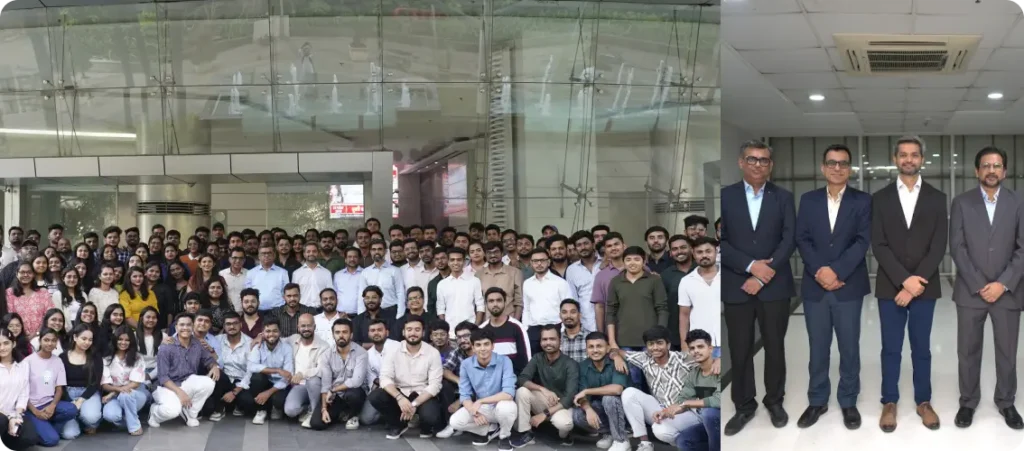
Great Place to Work
For two consecutive years, we are awarded by this honour
By Service
AI - Driven Growth Solutions

Infidigit is a CMO’s most preferred partner

3.1B+
Organic Sessions
39M+
Leads Generated
130+
Case Studies
70+
Awards & Recognitions
Clients
BENEFITS
Get high-intent users actively searching for your products, services, and business solutions.
Turn organic traffic into sales opportunities with optimised customer acquisition experiences.
Enhance search presence and beat the competition for desirable, high-converting search queries.
Cut acquisition costs and drive sustainable long-term growth through organic search visibility.
Scale up online presence by ranking higher in competitive search engine results.
Enhance user engagement with faster websites, relevant content, and better browsing experience.

Challenges
Pinpointing the exact cause of poor search visibility is a nightmare. It is almost never one glaring mistake. You are usually battling a messy mix of tech gremlins, confusing site architecture, and content that completely misses the mark. If you skip a proper search engine optimisation analysis, you end up slapping a plaster on surface wounds while the real restrictions choke your rankings. Structured SEO audits cut through the noise. They highlight precisely what is breaking your indexing or killing conversions. This means you stop throwing money at random ranking fluctuations and start fixing things that actually push the revenue dial.
Weak SEO performance may also be a symptom of organisational shortcomings, not laziness. Despite active optimisation efforts, underlying issues like poor internal structure, irrelevant content, broken crawl paths, or a disjointed user experience can severely degrade search growth. Most of the time, the SEO and development strategies aren’t quite aligned. By aligning advanced SEO audits with strategic web development services, businesses build a robust foundation for long-term organic growth rather than settling for short-term gains.
Looking solely at traffic numbers is a trap. A page might draw thousands of eyes but fail completely at holding attention or generating a lead. Advanced SEO analysis digs into the actual behaviour. We look at keyword positioning, click-through rates, and code efficiency to figure out exactly why a specific page is failing. It tells us if the page suffers from weak authority, a terrible layout, or if it just fundamentally misunderstands what the searcher wants. This lets you surgically fix the broken pages rather than ripping up the entire website.The main ranking signals in modern search engines include mobile usability, page experience and technical performance. Slow mobile websites, slow responsiveness, inefficient code structures, and/or crawlability issues can lead to visibility challenges despite the quality of the content. Technical SEO optimisation aims to enhance Core Web Vitals, mobile responsiveness, well-organised architecture, and indexation efficiency to ensure websites perform well across all devices. These improvements elevate user experience and search presence, facilitating more vigorous engagement and conversion rates.
The main ranking signals in modern search engines include mobile usability, page experience and technical performance. Slow mobile websites, slow responsiveness, inefficient code structures, and/or crawlability issues can lead to visibility challenges despite the quality of the content. Technical SEO optimisation aims to enhance Core Web Vitals, mobile responsiveness, well-organised architecture, and indexation efficiency to ensure websites perform well across all devices. These improvements elevate user experience and search presence, facilitating more vigorous engagement and conversion rates.
Spammy links are a ticking time bomb. Grabbing cheap, manipulative backlinks will eventually destroy your site’s credibility and tank your rankings. Google wants to see a link profile that looks completely natural, not forced. During an audit, we dig into the dirt to find the toxic links dragging you down. We also check to see if your anchor text looks overly manipulated. After that, we peek at your competitors’ setups to figure out where they get their best links. Forget the old tactic of acquiring links in bulk. Today, landing just a handful of highly relevant placements moves the needle much faster.
Treating on-page SEO services like a simple keyword checklist does not work anymore. Google strictly cares if your page actually answers the user’s question. If a page struggles, the layout is probably confusing or the writing lacks real depth. It is rarely just a broken meta description. Proper on-page seo optimisation cleans up this exact mess. We restructure the headings and fix the internal linking. After that, we make sure the content genuinely flows. Keeping people engaged is exactly what pushes your visibility higher.
Plenty of websites look great but are totally invisible to Google bots. You might feel confident, yet hidden technical glitches are quietly choking your traffic. Rogue duplicate pages and broken code act like brick walls for crawlers. Furthermore, search is shifting aggressively toward AI-generated answers. A deep audit does not just grade your setup. It actively stress-tests your website against brutal algorithm updates. We hunt down your blind spots to ensure your brand survives the next shift.
The common occurrence of user drop-offs could be a sign of friction not addressed in the buying process. These might be problems of trust, ineffective navigation, slow speed, lack of product information or distractions to make decisions. CRO is concerned with identifying such blocks of behaviour with the help of analytics, heat maps and funnel tracking. To reduce the abandonment rate, businesses can improve the user flow, build trust signals, and simplify the purchasing experience to offer smoother conversion experiences that will encourage individuals to purchase.
This is not normally an indicator of design problems, but general behavioural or strategic inefficiency. This commonly happens with websites that do not adapt to the changing user expectations, or the changing search behaviours or friction points in their conversion funnel. CRO is a combination of information analysis, behavioural information, testing model, and performance diagnostics to comprehend the limitations that are likely impairing conversions. The websites are continually being updated because users are testing and re-testing them to remain up to date on trends in user behaviour, as well as in ensuring that they are more appealing and increase revenue in the long-term.
A sluggish website rarely suffers from just one broken element. You are usually dealing with massive image files, cheap hosting, or bloated scripts stacking up behind the scenes. Make no mistake: speed dictates your bottom line. If a page takes three seconds to load, frustrated buyers simply leave. A thorough technical audit rips off the plaster to find exactly which files are causing the gridlock on mobile and desktop. Fix those specific delays, and your conversion rates will immediately snap back to life.
Technical SEO problems often lie beneath a website’s apparent functionality. Crawl paths, indexing conflicts, canonical errors, duplicate content, JavaScript rendering issues, or poor site architecture can cause search engines to not properly understand websites. These are generally hard to spot without a deep dive and tend to reduce visibility over time. Technical SEO audits are a comprehensive assessment of the health of a company’s website and help companies identify factors that prevent them from ranking well, and adopt prioritised actions to improve business performance and search stability in the long term.
Why US
InfiGrowth is our proprietary software application that leverages AI and best-in-class automation to diagnose technical SEO issues, assess search potential, and identify performance patterns more quickly and accurately. Offering technical audit services, content optimisation and comprehensive site health audits, InfiGrowth assists enterprises in better targeting, visibility, and engagement via smarter and data-driven decision-making for long-term organic growth and scalable search performance.
Our awards and accolades strengthened our credibility as an expert in technical SEO, content strategy, performance optimisation and digital growth. More businesses view us as a trusted SEO company capable of offering scalable, high-quality optimisation services that support evolving search engine needs and business goals.
Our 180+ team of SEO experts is skilled in technical SEO, analytics, content strategy, authority building, and YouTube optimisation. This teamwork structure enables us to provide end-to-end SEO audit services with accuracy and scalability. We help businesses identify development opportunities, break technical limitations, increase long-term search visibility through performance-based implementation, and integrate specialised knowledge.
Our performance data, user behaviour analysis and shifting search trends all support all of our SEO suggestions. Our strategies seek to identify technical impediments, enhance the signal of engagement, and amplify organic presence through measurable optimisation. Our focus on practical insights rather than generic advice is to help companies develop scalable SEO architectures that directly improve rankings, increase traffic quality, and increase revenue.
Infidigit has delivered quantifiable SEO benefits across fields such as ecommerce, enterprise, SaaS, healthcare, education, and local SEO business. Due to our experience, we are able to tailor audit plans to any kind of business models, competitiveness and search environment. Having a combination of technical expertise and strategic optimisation, we have constantly helped businesses to gain more visibility, break ranking limits and attain sustainable organic growth.
Our SEO audit process revolves around transparency. Our reports are comprehensive and accessible to all, covering technical findings, optimisation priorities, keyword visibility, crawlability issues, and performance insights. In addition to data representation, we clarify the business impact of each recommendation, so that clients know how technical solutions help to achieve higher rankings, improved engagement, and unlimited opportunities for organic growth.
Case studies
Objective
To scale revenue, #1 rankings, and organic traffic in the Kids’ category and establish market leadership.
Challenges
– 51% crawl budget wasted on irrelevant URLs
– Slow page speed impacting UX & conversions
– No schema implementation & content gaps
Solutions
– Log file analysis to optimise crawl budget & indexing
– FAQ, video, breadcrumb & rating schema for higher CTR
– Page speed optimisation, contextual linking & keyword-focused landing pages
Results
Revenue Growth – Kids’ Category
Increase in #1 Keyword Rankings
Growth in Organic Sessions
Objective
To push high-potential category & non-brand keywords from Page 2 to Page 1 using strategic content SEO.
Challenges
– Oversaturated footwear e-commerce market
– Keywords stuck between Page 1 & 2
– Need for differentiation via content optimisation
Solutions
– AI-driven content optimisation inspired by top-ranking competitors
– SEO-focused footer content expansion with intent-aligned keywords
– Refined titles & meta descriptions for higher visibility & CTR
Results
SERP Position Improved in Non brand clicks
Increase in Clicks –
Men’s Category
Increase in Clicks –
Women’s Category
Objective
To increase non-brand clicks by 100% and grow term insurance leads by 30%.
Challenges
– Competitive insurance SERPs
– Need for highly qualified, conversion-ready traffic
– Strengthening topical authority in term insurance
Solutions
– Competitive gap analysis with Hub & Spoke content strategy
– Programmatic SEO with EEAT-driven content enhancement
– Technical optimisation, A/B testing & high-authority backlink building
Results
Increase in Non-Brand Clicks
Growth in Non-Brand Impressions
Increase in Term Insurance Leads
Objective
To reduce paid media dependency and scale organic growth by increasing non-brand clicks, improving top 10 rankings, and building a seller-focused information hub to drive qualified business leads.
Challenges
– Heavy reliance on paid campaigns
– Intense competition for non-brand keywords
– Low organic visibility for seller-intent queries
Solutions
– In-depth keyword research and content gap analysis
– Creation of pillar pages and structured content clusters
– SEO-optimized seller-focused content development
Results
Growth in Business Leads
Reduction in Cost Per Click
Improvement in Non-Brand Rankings
Objective
Increase qualified organic leads, improve conversion rates, and significantly reduce organic CPL through technical optimization, UX enhancement, and intent-driven SEO.
Challenges
– High traffic but low organic conversion rates
– Elevated CPL exceeding 600+ per lead
– Technical, UX, and user journey friction points
Solutions
– Implemented user-centric UX and form optimization
– Strengthened technical performance and mobile experience
– Targeted high-intent SEO with deep behavioral analytics
Results
Increased in Qualified Organic Leads
Reduction in Optimized Organic CPL
Increase in Organic Lead Goals (Desktop)
Objective
Strengthen organic visibility for the ULIP category by improving rankings, increasing non-brand traffic, and driving higher-quality leads through strategic SEO interventions.
Challenges
– Content indexing issues limiting search visibility
– Poor keyword rankings impacting discoverability
– Unoptimized on-page and technical SEO elements
Solutions
– Implemented crawling, indexation, and technical SEO fixes
– Deployed Hub & Spoke content strategy with contextual internal linking
– Executed content refresh, A/B testing, and 6R optimization framework
Results
Increase in ULIP clicks
Growth in top 10 keyword rankings
Rise in organic ULIP leads
Elevate your website to
achieve higher visibility
SEO Process
Competitor performance can be understood to unveil strategic opportunities that are usually overlooked by regular SEO analysis. Our competitor analysis audit assesses keyword positioning, backlink authority, content depth, SERP visibility, and technical strengths in competing fields. This enables us to determine search coverage gaps, missed rankings, and where your rivals are outshining your site. Instead of copying what the competition is doing, we implement these learnings to build better, data-driven optimisation plans that increase visibility, build authority, and place your business in a more competitive position in search results and in the changing digital markets.
The architecture of websites directly promotes crawlability, indexing performance and user navigation. Our audit of the architecture appraises the site hierarchy, internal linking structures, URL organisation, navigation flow, and content accessibility to ensure that search engines and users can navigate the site efficiently. Weak topical authority, weak crawl efficiency and orphan pages are common by-products of bad architecture. We recognise structural constraints on search visibility and suggest the scalable changes that enhance content discoverability, enhance user experiences, and enable better long-term SEO results. A properly organised site forms a better base in regard to rankings, interaction, and conversion rates.
Even with good content quality and backlinks, technical SEO can be a major constraint to rankings. In the technical audit of our websites, crawlability, indexation, canonicalisation, schema implementation, mobile responsiveness, Core Web Vitals, and site health are measured to identify performance-limiting factors that are not very obvious. We also detect rendering problems, redirect chains, risk of duplicate content, and server inefficiencies that affect search visibility. This audit gives a strategic roadmap with priority for solving technical constraints. Businesses can enhance rankings, engagement, and long-term organic growth by improving technical stability and search engine visibility.
Our on-page optimisation audit assesses the ability of individual pages to meet search intent, semantic relevance and user engagement expectations. We evaluate title tags, meta descriptions, headings, in-text linking, keyword targeting, content hierarchy, and schema use to identify optimisation gaps. In addition to simple keyword placement, we also evaluate the effectiveness of the pages in communicating authority, relevance, and context clarity. The process will assist in enhancing crawlability, click through rates and topical strength as well as delivering more valuable and relevant experiences to the users. Effective on-page optimisation directly aligns user search intent with clear, conversion-oriented journeys.
The quality of content directly impacts rankings, engagement, and search credibility. Our content quality audit measures the topical depth, originality, semantic relevance, readability, search intent alignment and performance across your site. We find thin content, expired pages, duplication potential, and missing topical coverage, which may undermine authority signals. The optimisation of content is becoming the key to the sustainable growth of SEO as modern search algorithms rank content based on expertise, helpfulness and contextual relevance. By strategically refining content quality, businesses can enhance visibility, build user trust, and drive greater engagement and conversion potential across organic search pathways.
Website speed influences rankings, user behaviour, and conversion performance simultaneously. Our site speed audit reports on loading times, server response delays, render-blocking resources, image optimisation, JavaScript execution, and Core Web Vitals performance across devices. Slow websites can create more bounces and diminish interaction with content before users can engage in a meaningful way with your website. We identify the technical causes of performance bottlenecks and provide prioritised recommendations to improve speed, responsiveness, and stability. Rapid websites are not only more robust in search results but also in user retention, customer confidence, and conversion rates in digital experiences.
Search engines are using behavioural indicators and user satisfaction more as a basis for ranking. We review our user experience audit on the navigation flow, accessibility, mobile usability, readability, interaction design and behavioural friction points that impact engagement. We examine user interaction with critical conversion pathways and identify factors that confuse users, cause them to abandon, or make the interaction less meaningful. The audit will aim to enhance SEO performance and usability, developing fluid experiences that promote stronger engagement and higher conversion rates. The enhanced user experiences also aid rankings, customer retention, customer trust, and long-term digital performance.
Images are significant in terms of engagement and search rankings, but most websites do not make good use of such resources. Our image/video optimisation audit checks the size of files, loading speed, metadata, structured data, accessibility, compression, and searchability. Sluggish websites can be caused by media that has not been optimised well, and slows down the search performance. We make sure that visual assets add value to the SEO and user experience through enhancing load efficiency, contextual relevance, and indexing potential. Effective visual optimisation enhances interaction and increases searchability, and provides quicker online experiences.
One of the most powerful symbols of trust and credibility in the search algorithms is off-page authority. Our off-page optimisation audit analyses backlink quality, referring domains, distribution of anchor text, brand mentions and external trust signals to determine the overall strength of authority. We identify poisonous backlinks, lost acquisition prospects, and authority lapses, enabling rankings. This audit also examines the effectiveness of the external presence of your site in relation to the long-term SEO objectives. By improving backlinking and enhancing off-page credibility, stronger search authority can be built. Long-term competitive ranking performance also improves.
Search behaviour is rapidly changing due to the emergence of AI seo and LLM seo. Our LLM audit assesses the effectiveness of your content to meet conversational search patterns, semantic relevance, topical authority, and AI-readable structures. We evaluate the accuracy with which content can be read in generative search spaces and detect gaps that influence discoverability in AI-assisted search results. These entail examination of entity relationships, situational clarity, organised use of data and depth of content. Search optimisation in support of LLM search helps companies stay visible as search engines move beyond traditional ranking systems based on keyword searches.
Testimonials
SEo Growth
An SEO audit is not a mere technical checklist but rather a key to sustainable organic growth, a greater online visibility, and revenue performance. At Infidigit, SEO audit services will reveal the untapped growth opportunities and also what is hindering the traffic, engagement, and conversions.
Our website SEO audit services are performed in a way that does not merely analyse the surface but examines over 300 important SEO points across ranking factors like technical SEO, content quality, user experience, site architecture, performance indicators, and AI-based search preparedness. This holistic strategy assists companies in not only knowing what is influencing performance, but also why those factors are influencing search visibility and customer acquisition.
At our SEO audit agency, we assist businesses to enhance growth by focusing on:
Most significantly, what matters in our audit recommendations is the business impact, not the technical severity of our processes. This ensures that businesses can develop improvements targeted specifically to rankings, lead quality, engagement, and revenue growth, rather than those that are less effective.
SEO audits need to be approached as strategic growth models. That’s why our SEO audit company helps businesses build more robust digital foundations. The result is scalable organic growth, better conversions, and long-term competitive advantage. These are possible via technical, behavioural, AI-based, and search intelligence.
solutions
Improve search visibility for steady growth
Optimize for AI search visibility
Smarter SEO with AI insights
Boost product visibility and sales
Increase conversions from existing traffic
Get found in local searches
SEO that helps small businesses grow faster
Scale SEO across large websites
Rank videos and grow reach
Build fast, scalable websites for growth
Drive organic growth with strategic content
The team is very proactive and adheres to the timeline, while also, the team members have a never say no attitude. It has been a good collaboration so far.

Supriya Layek
Manager: Digital Marketing - Myntra
|
Standard Get Proposal |
||
Content Audit |
||
Hidden content check |
Hidden content detection and removal enhance user experience and search engine visibility. |
|
Identifying “thin” pages |
Identification and addressing of thin or low-quality content ensure value for users and search engines. |
|
Identifying duplicated pages |
Resolution of duplicate content issues boosts visibility of unique and relevant content while avoiding penalties. |
|
Indentifying under-optimized landing pages |
Identification of pages lacking keyword optimization, meta tags, and on-page elements, along with improvement suggestions. |
|
Indentifying pages with low click through rates |
Suggestions for optimizing low CTR pages to attract organic traffic and enhance visibility. |
|
Robots.txt Configuration Audit |
||
Robots.txt file check |
Proper configuration of robots.txt enables search engines to crawl and index desired pages on your website. |
|
Checking XML sitemap declaration in Robots.txt |
Declaration of XML sitemap in robots.txt ensures seamless website crawling and indexing by search engines. |
|
Identifying Errors in robots.txt file |
Effective control of search engine access by identifying and resolving errors in the robots.txt file. |
|
Identifying pages that should be blocked using robots.txt |
Identification and resolution of errors or syntax issues in the robots.txt file for better search engine control. |
|
Checking whether robots.txt file is uploaded in the correct directory |
Uploading the file to the correct server location allows search engines to access and follow its instructions. |
|
Checking whether records are grouped improperly |
Reviewing and categorizing records to provide clear instructions for search engine bots. |
|
Auditing & Recommending relevant Wildcards |
Assessing wildcard directives and recommending optimal usage to regulate specific areas of the website. |
|
Differentiate pages that require noindex tag/ should be blocked in robots.txt |
Identification of 'noindex' pages and blocking them in robots.txt if necessary to safeguard against search engine crawling. |
|
XML & HTML Sitemap Audit |
||
Sitemap.xml check |
|
|
Checking whether XML Sitemap is submitted to Google or Bing |
Submission of XML sitemap to Google and Bing ensures indexing and visibility of website pages. |
|
Identifying Errors in XML sitemap |
Identification and rectification of errors or issues within the XML sitemap that may hinder search engine crawling and indexing. |
|
Finding non-200 pages in sitemap |
Detection of non-200 status code pages in the XML sitemap reveals concerns related to crawlability and accessibility. |
|
Finding non-canonical URLs in sitemap |
Uncovering non-canonical URLs in the XML sitemap helps prevent duplicate content indexing. |
|
Finding PPC pages in sitemap |
Exclusion of PPC landing pages from the XML sitemap improves indexing and relevancy. |
|
Checking XML Sitemap size |
Evaluation of the size of the XML sitemap to ensure compliance with search engine guidelines and optimize crawling efficiency. |
|
Checking whether blocked pages are declared in sitemap |
Ensuring an accurate XML sitemap to prevent indexing of sensitive or unnecessary content. |
|
Checking whether orphaned pages are declared in sitemap |
Discovery of orphaned pages in the XML sitemap ensures their inclusion by search engines, identifying pages not linked from others. |
|
Recommendation for Specialty Sitemaps |
Enhancement of content visibility through specialized sitemaps, such as video and image sitemaps, along with indexing suggestions. |
|
Recommending categorized structure for XML Sitemap |
Optimization of XML sitemap with structured categorization for better organization and management. |
|
Structured Data/Schema Markup Audit |
||
Checking existing Structured Data on pages (JSON-LD, Microdata & RDFa) |
The presence and accuracy of structured data markup (such as JSON-LD, Microdata, and RDFa) on your website's pages can be assessed to enhance search engine understanding. |
|
Identifying errors in Structured Data |
Errors in the implementation of structured data can be identified and fixed to ensure error-free schema markup. |
|
Structured markup isn’t resulting in rich snippets |
The impact of structured data on search results can be evaluated, and recommendations for improvement can be provided. |
|
Identifying pages that require structured data |
Pages or content that can benefit from structured data implementation can be identified, resulting in enhanced search engine visibility. |
|
Recommending Schemas that need to be added on pages |
Recommendations can be made regarding schemas and structured data to improve search engine comprehension of your pages. |
|
Image/Video SEO Audit |
||
Collating list of large images |
Identifying and compiling a list of large images can help optimize website performance. |
|
Finding images with no or irrelevant ALT text |
Optimizing images by providing ALT text or updating irrelevant ALT text improves search engine understanding. |
|
Image sitemap check |
Ensuring the completeness and accuracy of the image sitemap facilitates search engine crawling and indexing. |
|
Checking visibility for image search |
Optimizing image metadata and relevance enhances the visibility of images in image search results. |
|
Creation of Image sitemap |
Creating an image sitemap improves the discoverability of images by search engines. |
|
Checking whether images are served through a CDN |
Verifying if images are served through a Content Delivery Network (CDN) improves loading speed and performance. |
|
Video sitemap check |
Checking the video sitemap for proper indexing and inclusion of video content in search results. |
|
Checking markup for videos |
Reviewing video markup for proper implementation and compatibility with search engines. |
|
Identifying whether video pages lack text |
Identifying video pages lacking text content and considering the addition of relevant text improves SEO performance. |
|
Creation Video sitemap |
Creating a video sitemap enhances the indexing and visibility of video content by search engines. |
|
Titles & Meta Description Audit |
||
Pages with missing titles |
Improving the optimization of page titles enhances search engine visibility. |
|
Pages with long titles |
Improving the optimization of page titles enhances search engine visibility. |
|
Pages with short titles |
Improving the optimization of page titles enhances search engine visibility. |
|
Pages with missing meta descriptions |
Enhancing the optimization of meta descriptions improves search engine visibility. |
|
Pages with long meta descriptions |
Enhancing the optimization of meta descriptions improves search engine visibility. |
|
Pages with short meta descriptions |
Enhancing the optimization of meta descriptions improves search engine visibility. |
|
Duplicate page titles |
Eliminating duplicate page titles ensures uniqueness and clarity. |
|
Odd capitalizations in titles |
Ensuring consistent capitalization in titles for a cohesive presentation. |
|
Odd capitalizations in descriptions |
Ensuring consistent capitalization in descriptions for a cohesive presentation. |
|
Pages with non-descriptive titles |
Enhancing the relevance and click-through rates of pages with non-descriptive titles. |
|
Identifying whether descriptions have a powerful calls to action |
Evaluating meta descriptions for compelling calls to action and messaging. |
|
PageSpeed Audit |
||
Checking Page load times of top landing pages |
The performance of the website can be improved by measuring page load times for top landing pages. |
|
Checking Page load times of money pages |
Ensuring fast and efficient delivery of key content by assessing page load times for money pages. |
|
Examining Page Caching mechanism |
Enhancing website speed and reducing server load by examining the page caching mechanism. |
|
Checking Page Size |
Optimizing loading speed and overall website performance by checking page size. |
|
Check whether code is using Gzip compression |
Reducing file sizes and improving page load times through the utilization of Gzip compression. |
|
Inline CSS check |
Optimizing code and improving rendering speed through an inline CSS check. |
|
Indetifying whether minification of JavaScript or CSS is required |
Optimizing code efficiency and page load times by identifying the need for minification of JavaScript or CSS. |
|
Identifying Core Web Vitals metrics for pages |
Identifying areas for improvement in user experience by evaluating Core Web Vitals metrics for pages. |
|
Indentifying HTTP requests |
Reducing server load and improving page load times by identifying and optimizing HTTP requests. |
|
Inline JavaScript check |
Optimizing code and improving website performance through an inline JavaScript check. |
|
URL/Folder Structure Audit |
||
Auditing Canonical tags |
An audit of Canonical tags is conducted to consolidate URLs correctly and prevent duplicate content issues. |
|
Redirection checks for non www and .html pages |
Checks are performed to ensure consistent redirection of non-www and .html pages, maintaining a uniform URL structure. |
|
Checking URLs through both secure and non-secure protocols |
The accessibility and indexing of URLs are verified through both secure and non-secure protocols. |
|
Checking whether URLs resolve to a single case |
URLs are ensured to resolve to a single case to avoid potential duplicate content and indexing challenges. |
|
Checking if trailing slashes are resulting in duplicate content |
Duplicate content concerns arising from trailing slashes are addressed to maintain a clean URL structure. |
|
Checking if parameter URLs are resulting in duplicate content |
Duplicate content problems caused by parameter URLs are identified and resolved to enhance SEO performance. |
|
Auditing Page indexation |
A comprehensive audit of page indexation is conducted to ensure that all relevant pages are appropriately indexed by search engines. |
|
Mobile Friendliness Audit |
||
Checking whether site elements are mobile-friendly |
Enhancing the mobile user experience and improving SEO performance involves ensuring that site elements are mobile-friendly. |
|
Checking Bounce rate of mobile visitors |
Analyzing the bounce rate of mobile visitors helps identify potential issues and optimize user engagement. |
|
JavaScript and/or CSS are blocked |
Verifying if JavaScript and/or CSS are blocked ensures proper rendering and indexing by search engines. |
|
Auditing Vary HTTP headers |
Conducting an audit of Vary HTTP headers optimizes caching and improves website performance. |
|
Auditing rel="alternate" and rel="canonical" tags |
Auditing rel="alternate" and rel="canonical" tags ensures proper handling of mobile and desktop versions for better search engine performance. |
|
Mobile sitemap check |
Checking the mobile sitemap for completeness and accuracy facilitates search engine crawling and indexing. |
|
Identifying mobile-only 404s |
Identifying mobile-only 404 errors ensures a seamless user experience on mobile devices. |
|
Identifying whether interstitials on mobile disrupt mobile browsing |
Evaluating interstitials on mobile prevents disruptions in mobile browsing and improves overall usability. |
|
Identifying irrelevant cross links |
Identifying and eliminating irrelevant cross-links enhances user navigation and SEO relevance. |
|
Auditing mobile site for unusual breakpoints |
Auditing the mobile site for unusual breakpoints ensures consistent design and functionality. |
|
Checking whether mobile app content is indexed correctly |
Verifying the correct indexing of mobile app content improves visibility in mobile search results. |
|
Checking zoom functionality on mobile |
Checking the zoom functionality on mobile devices ensures an optimal user experience and accessibility. |
|
Checking disparity between desktop and mobile version |
Identifying and addressing any disparities between the desktop and mobile versions of the website is important for consistency. |
|
Checking for Navigation Mismatch on Mobile and Desktop |
Checking for navigation mismatches between mobile and desktop versions maintains a consistent user journey. |
|
Checking for Content Mismatch on Mobile and Desktop |
Identifying and addressing content mismatches between mobile and desktop versions improves the user experience and SEO consistency. |
|
Rendering Techniques and Suggestions |
||
Identify multiple templates on the website and checking crawl issues |
To enhance SEO performance, it is important to identify multiple templates on the website and address crawl issues. |
|
Identify Index Bloat Issues |
||
Internal Site search pages getting indexed |
Preventing duplicate content issues involves excluding internal site search pages from being indexed. |
|
Staging site / any other version of the website indexed |
It is crucial to ensure that staging sites or alternate versions of the website are not indexed by search engines. |
|
Unnecessary/Irrerelavant pages geting indexed |
Improving website relevance can be achieved by eliminating unnecessary or irrelevant pages from being indexed. |
|
Footer Audit & Recommendation |
An audit of the footer should be conducted to identify optimization opportunities and provide recommendations. |
|
Internal Linking Structure Audit & Recommendaton |
Evaluating the internal linking structure and offering recommendations for improvement can contribute to better SEO performance. |
|
Redirection Checks |
Checking and optimizing redirections is essential to maintain proper website flow and prevent broken links. |
|
Top Navigation & Breadcrumbs Audit & Recommendation |
The top navigation and breadcrumbs should be audited for usability, and recommendations for improvement should be provided. |
|
In-depth Backlink Profile Audit |
Conducting an in-depth analysis of the backlink profile can help identify areas for improvement in SEO. |
|
Checking Implementation of Tracking Codes |
Verifying the proper implementation of tracking codes ensures accurate data collection and analysis. |
|
Pagination/Infinite Scroll Audit |
Auditing pagination and infinite scroll functionality is important for better user experience and indexability. |
|
HTTPS Check & Server-level Configuration Audit |
A thorough check of HTTPS implementation and server-level configurations is necessary for security and SEO compliance. |
|
Accelerated Mobile Pages (AMP) & Progressive Web Apps (PWA) Audit |
Optimizing Accelerated Mobile Pages (AMP) and Progressive Web Apps (PWA) can enhance mobile performance. |
|
Detailed Recommendation for improving Core Web Vitals metrics |
Providing detailed recommendations for improving Core Web Vitals metrics, with a focus on speed and user experience, is essential. |
|
Site Architecture Audit |
Conducting a comprehensive site architecture audit and suggesting improvements can improve crawlability and indexability. |
|
Crawl Rate Optimization Audit |
Optimizing the crawl rate ensures that search engines can efficiently access and index website content. |
|
DOM Structure Audit |
An audit of the DOM structure should be performed to identify optimizations for efficient rendering and better performance. |
|
Reports Included |
||
SEO Scorecard |
SEO scorecard is generated to assess website performance and identify areas for improvement. |
|
In-depth Backlink Audit Report |
An in-depth backlink audit report is provided to analyze the quality and quantity of backlinks. |
|
Audit Report Version |
The audit report version outlines SEO findings and recommendations for optimization. |
Spreadsheet + Document Version |
SEO Strategic recommendations |
Strategic recommendations are offered to improve SEO performance and organic visibility. |
4 Points |
Audit implementation explanation |
A detailed explanation of the audit implementation process and its impact on SEO is provided. |
8 hours |
Time Duration |
Receive report in 45 Days |
|
Note: Additional Audit explanation support for engineering team can be provided at additonal cost |
$500 for 15 hours (Min 1 hour duration meetings) To be utilized in two months |

FAQs
SEO audit services consist of a comprehensive review of the technical health, content quality, user experience, and search visibility of a web page. The aim is to pinpoint issues affecting rankings, traffic and conversions and deliver prioritised recommendations to improve overall organic performance and long-term digital growth.
Our link profile audits check the quality of the backlink, referring domains, distribution of anchor text, toxic links, and authority relevancy. We detect destructive backlink trends, missed authority-building chances and competitive loopholes to enable companies to enhance off-page credibility and better long-term ranking stability in a strategic manner.
Depending on the intensity of the technical level, the SEO audit typically requires access to Google Search Console, Google Analytics, CMS platforms and sometimes server or hosting information. By using these access points, we can analyse crawlability, indexing, behavioural data and technical performance and be more accurate with giving more optimisation advice.
SEO audit services are used to identify technical, structural, and content-related factors that could be limiting organic growth that are not visible. A lack of frequent audits can lead businesses to ignore issues that affect crawlability, rankings, engagement, and conversions. Audits develop a strategic map on how to improve the visibility, enhance the performance of the websites and remain competitive in the changing search landscapes.
With SEO audit services you can examine technical SEO, Core Web Vitals, Mobile usability and crawlability, indexing, internal linking, metadata, site architecture, backlink quality, structured data, content relevance and user experience signals. The readiness of AI and LLM search in modern audits is also reviewed to guarantee the visibility and flexibility of search in the long term.
The schedule will depend on the size of the site, the complexity of the site and the level of audit. Analysis can take a few days for smaller sites but for large enterprise or ecommerce sites it will be more thorough analysis. Long audits focus on accuracy and strategic prioritisation, not on providing results in a hurry and superficially.
Free tools will give automated reports on predefined checks, but do not offer any strategic interpretation and business context. Our SEO service audits are merged with technical skills, behavioural analysis, search intent, competitive intelligence and prioritised recommendations. This generates actionable growth plans as opposed to generic automated issue lists that are not as business-relevant.
Once the audit has been conducted, we rank identified issues in accordance with business impact and create a roadmap to optimise the business. This can include technical fixes, content optimisation, authority-building tactics, UX optimisation, and continuous SEO monitoring to enhance the visibility, engagement, and performance of long-term organic growth.
Paid SEO audits are more technical, strategic, competitor analysis, behavioural and personalised based on business goals. Free audits are usually limited to automated superficial checks. A professional audit will provide practical solutions to improve rankings, quality of traffic and conversion performance for the long term.
Website audit prices differ based on the size of the website, technical complexity and scope of the audit. Technically advanced environments, ecommerce platforms, and enterprise websites will tend to be more detailed to evaluate. SEO audit cost is assessed in terms of the scope of analysis, strategic understanding and long-term value added by the business in terms of enhanced search performance.
How useful was this post?
0 / 5. 0
| Cookie | Duration | Description |
|---|---|---|
| cookielawinfo-checkbox-analytics | 11 months | This cookie is set by GDPR Cookie Consent plugin. The cookie is used to store the user consent for the cookies in the category "Analytics". |
| cookielawinfo-checkbox-functional | 11 months | The cookie is set by GDPR cookie consent to record the user consent for the cookies in the category "Functional". |
| cookielawinfo-checkbox-necessary | 11 months | This cookie is set by GDPR Cookie Consent plugin. The cookies is used to store the user consent for the cookies in the category "Necessary". |
| cookielawinfo-checkbox-others | 11 months | This cookie is set by GDPR Cookie Consent plugin. The cookie is used to store the user consent for the cookies in the category "Other. |
| cookielawinfo-checkbox-performance | 11 months | This cookie is set by GDPR Cookie Consent plugin. The cookie is used to store the user consent for the cookies in the category "Performance". |
| viewed_cookie_policy | 11 months | The cookie is set by the GDPR Cookie Consent plugin and is used to store whether or not user has consented to the use of cookies. It does not store any personal data. |