










How DnB scaled their TOFU Clicks by 102% with Strategic SEO

The Client
The Objective
With changes to SERPs and features like Google AI overviews, it was challenging to scale traffic from TOFU content. Despite multiple blog posts, the results were still stable. This hindered the website’s ability to achieve its digital content goals and gain the desired visibility.
KPIs: KPIs for Infidigit to address its challenges and enhance blog performance. The objectives included:
- Increase Blog Clicks by 100%
- Enhance Keyword Rankings for Blogs
- Increase Traffic from AI & LLM Platforms
Focus Areas: Since the queries around DNB’s blog content were primarily informational, the objective for 2025 was two-fold:
- SEO-driven improvements: To enhance traffic through traditional SEO methods by improving keyword rankings and optimizing blog content.
- AI & LLM platform integration: Focusing on increasing visibility and driving traffic from AI platforms and LLM tools like ChatGPT, with a focus on informational queries that are common in AI-driven content consumption.
The Challenge
Dun & Bradstreet (DNB) faced multiple challenges in improving the performance of their blog content and increasing overall traffic. Despite publishing several blogs in 2024, the content failed to meet the desired goals in terms of engagement and visibility. The outdated data further complicated efforts to refine and optimize their strategy.
Key challenges included:
- Underperforming Blogs: Blogs published in 2024 did not generate the expected traffic or engagement, hindering content effectiveness.
- Stagnant Organic Traffic: Limited growth in organic traffic due to underperforming keyword rankings and poor content visibility.
- Missed AI Traffic Opportunities: DNB’s content was not optimized for emerging AI-driven platforms like ChatGPT and Perplexity, which were increasingly being used for informational queries.
- Outdated Data: The lack of current data made it challenging to make informed decisions and improve blog performance.
- Shift in Content Focus: DNB’s content approach was not aligned with the growing importance of informational queries, particularly on AI/LLM platforms.
- Need for a Dual SEO & AI Strategy: A comprehensive strategy was required to blend traditional SEO efforts with AI/LLM optimization, ensuring visibility on both fronts.
The Solution
1. Re-optimization of Existing Blogs
Objective: The goal was to improve the performance of underperforming blogs by updating content, optimizing on-page elements, and ensuring better technical health, ultimately driving more traffic and improving keyword rankings.
Steps:
Content Audit, Update, and Refresh: We started by conducting a comprehensive audit of existing blog content. This audit helped us identify which blogs were underperforming and required updates. For these blogs, we:
- Updated outdated statistics, facts, and examples.
- Integrated new data points and case studies relevant to the target audience.
- Improved readability and formatting by breaking large paragraphs into smaller, more digestible sections.
- Ensured that the content met current user intent by incorporating updated target keywords and addressing emerging trends.
Expand Content Depth with Additional and Relevant Information: To further improve the performance of these underperforming pages, we expanded their content depth:
- Added in-depth explanations, guides, and FAQs to cover more aspects of the topic.
- Provided relevant internal links and external sources to enhance the page’s authority and relevance.
- For key topics, we included related articles, ensuring that the blog would offer comprehensive coverage of the subject, making it more valuable to readers and search engines alike.
Title Tags, Headers, and Meta Descriptions Optimization: We reviewed and optimized the title tags, header tags (H1, H2, H3), and meta descriptions for all blogs:
- Ensured that titles and headers were structured logically and were aligned with search intent.
- Updated meta descriptions to make them more engaging and keyword-optimized to maximize CTR.
- Ensured that headers used relevant keywords while improving the blog’s readability.
Improve Internal Linking Strategy: One of the key strategies was to strengthen internal linking within the blog category:
- We linked each underperforming blog to other related pages, ensuring high-priority pages were well connected.
- This helped distribute page authority and allowed search engines to better understand the site structure.
- Internal linking also helped users navigate the website more effectively, improving time on site and reducing bounce rates.
Hygiene Backlink Building (Free Backlinks): Backlink analysis was performed on existing blogs. We then implemented a hygiene backlink-building strategy, focusing on acquiring free, high-quality backlinks to boost blog authority. We focused on:
- Building relationships with authoritative websites and publications.
- Using free link-building opportunities to get mentions, citations, and links from industry-related blogs and forums.
- Increasing the overall domain authority by ensuring that the backlinks come from reputable sources.
2. New Search Universe Expansion
Objective: The goal was to extend DNB’s content into new search territories and attract more diverse traffic by targeting generic queries and expanding the content’s reach.
Steps:
Capture Additional Universe with Generic Blogs: To tap into new search territories, we introduced a strategic initiative to create content around generic keywords and topics that could draw in a broader audience. These generic blogs were designed to:
- Address common industry challenges, broader questions, and trending topics related to DNB’s core services.
- Target long-tail keywords that were being searched by users who might not yet be familiar with DNB’s products but were looking for relevant information.
Structured Data Implementation (FAQ, Breadcrumbs, Articles): To ensure that the new pages were optimized for search engines, we implemented structured data markup:
- FAQ Schema: To capture the “People Also Ask” section and enhance visibility in rich snippets.
- Breadcrumb Schema: To improve navigation and ensure better crawlability.
- Article Schema: To help search engines understand the context and improve the chances of featured snippets.
This structured data helped enhance DNB’s visibility in SERPs, allowing it to rank better for related queries.
Content Creation and Structuring for New Pages: For each new blog and page targeting new search queries, we ensured content was:
- The content was written to address users’ pain points while providing clear solutions, incorporating high-quality images, infographics, and videos where appropriate.
- We ensured that new pages used relevant keywords, long-tail variations, and semantic keywords that aligned with search intent.
- The content was structured with proper headers (H1, H2, H3), bulleted lists, and concise paragraphs to ensure better readability and SEO performance.
Keyword Research & Content Structuring: We conducted in-depth keyword research to identify the most relevant search terms for the new blog topics. The content was then structured to:
- Address a wide array of user intent by targeting keywords that were relevant but not overly competitive.
- Optimize the content for both informational and navigational searches, ensuring that each blog and page can rank for multiple related terms.
Backlink Building and Crawlability: For new pages, we started building a strong backlink profile :
- Reaching out to authoritative industry websites and influencers for backlinks.
- Ensuring that the new pages were easily discoverable and accessible by including them in the site’s XML sitemap and linking them from high-traffic pages.
- We also worked on improving the crawlability of the site to ensure that the new content would be indexed effectively by search engines.
Core Web Vitals & Technical Optimization: We made sure the new pages were optimized for Google’s Core Web Vitals, focusing on:
- Fast page loading speeds, mobile responsiveness, and stability to ensure a smooth user experience.
- Implementing necessary technical optimizations such as reducing page load times, leveraging caching, and optimizing images.
The Result
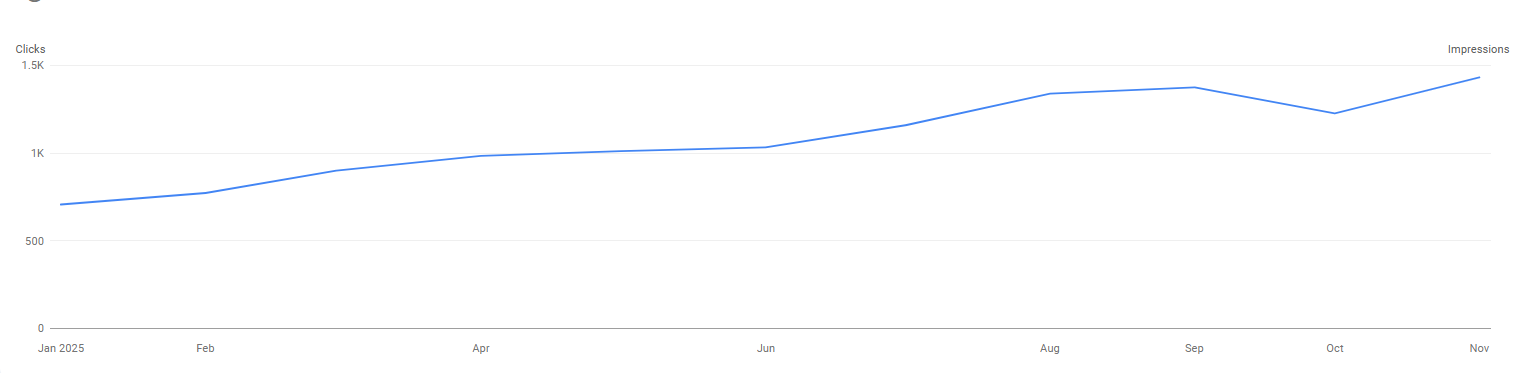
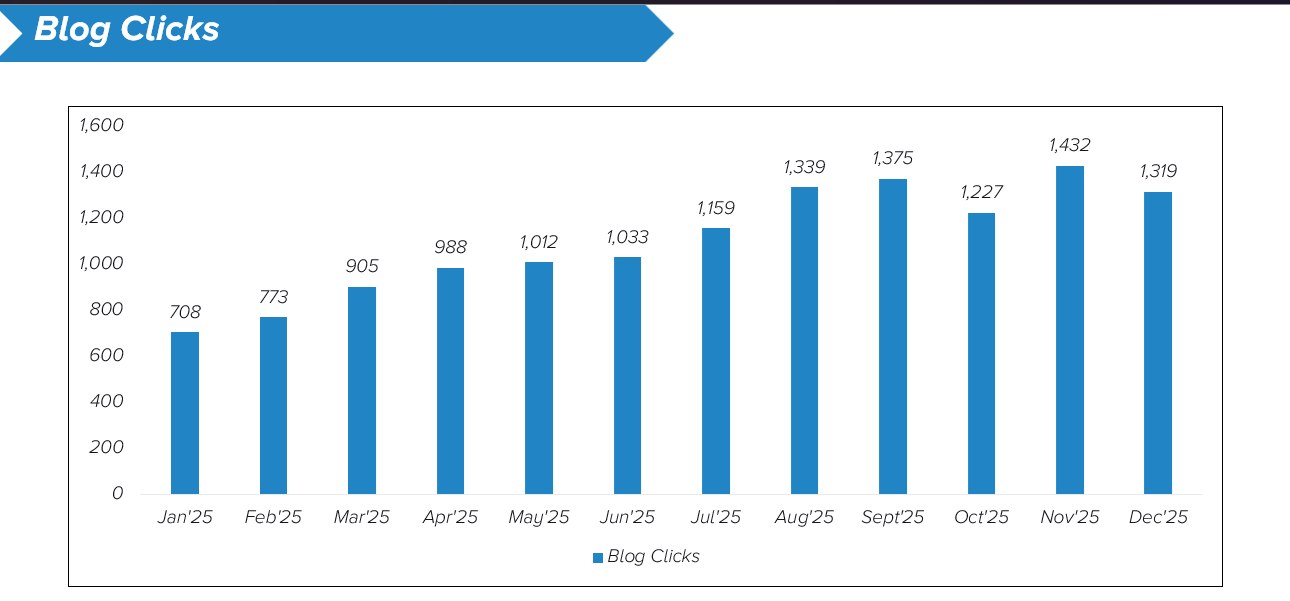
Increase in Blog Clicks by 102%
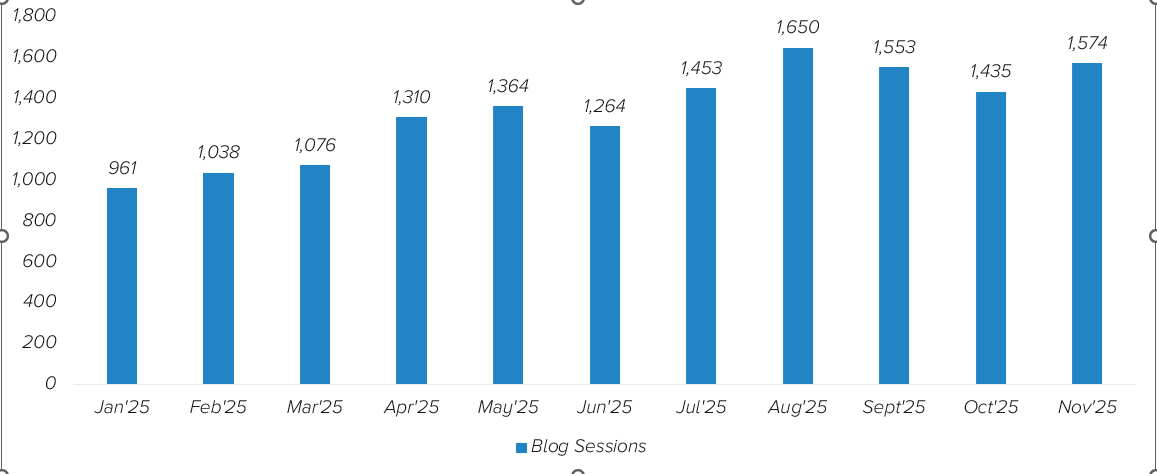
Improvement in Blog Sessions by Over 64%
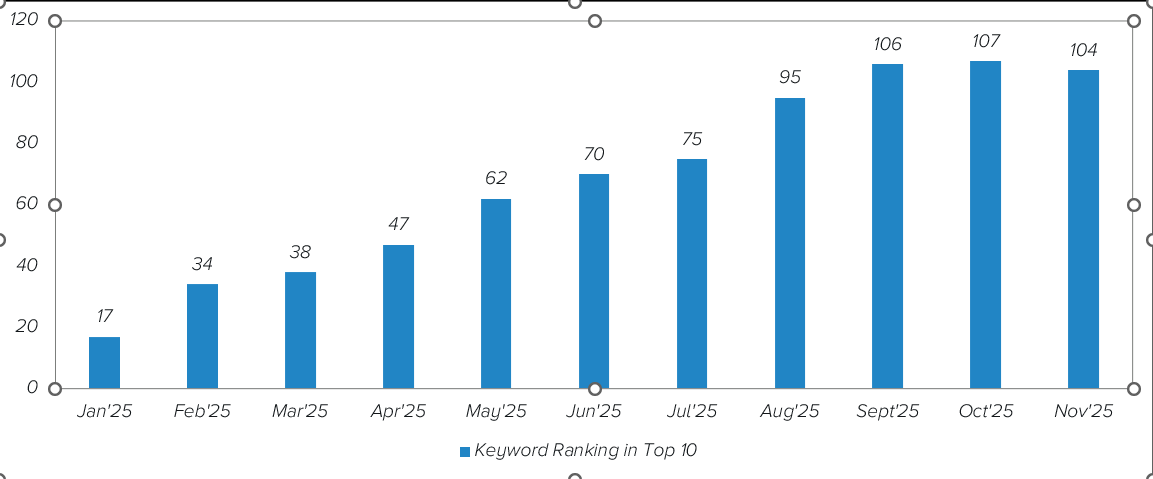
Keyword Ranking Improvement from 17 to 104


Beauty & Fitness
Health



Our Solutions


How useful was this post?
0 / 5. 0