












Generative Engine Optimization, or GEO, is all about preparing your content so AI-powered search engines can easily understand it, evaluate it, and confidently include it inside their generated answers.
In simple words:
GEO helps make your content the kind that AI search engines love to pull into summaries, chat responses, and AI Overviews.
It improves your chances of appearing in:
- AI Overviews
- Chat-based search results
- Conversational responses
- AI-generated summaries
- Direct AI-driven answers
So, what does GEO mean in the SEO world?
It’s the natural next step in search optimization, especially now that AI doesn’t just show links, it actually creates answers.
Traditional SEO → focuses on ranking pages
GEO → focuses on being included inside AI-generated responses
Both matter. But GEO is specifically designed for how search engines work today, and even more for how they’ll work in the future.
Why GEO Is Becoming Important
AI search engines don’t behave like old-school search engines.
They don’t just look for the best-ranking pages.
They pull information from multiple sources and rewrite it into a single, neat answer.
That means your content must be:
- Clear
- Accurate
- Well-structured
- Easy for AI models to interpret
- Contextually complete
As zero-click searches grow and AI summaries become the first thing users see, GEO helps ensure your brand still appears in those high-visibility spots, even if fewer people click traditional links.
GEO matters because:
- AI answers are now shown before regular organic results
- Zero-click behavior is increasing
- Google and Bing prefer content that works well in summaries
- Brands included in AI answers gain instant authority
- Organic results are shrinking, so visibility must come from new placements
How Generative Engine Optimization Works
Here’s a beginner-friendly way to understand GEO in action.
1. AI First Understands Your Content
AI models look deeper than keywords.
They try to understand:
- Overall context
- Meaning and intent
- Entities and relationships
- Facts and definitions
- Topic completeness
The more clearly your page communicates all this, the better your chances.
2. AI Evaluates Your Content for Accuracy & Clarity
AI prefers:
- Clean definitions
- Well-structured explanations
- Consistent information
- Verified or widely accepted facts
If your content is vague or incomplete, AI often skips it.
3. AI Looks for Reliable Supporting Sources
Generative systems check whether your page:
- Answers questions directly
- Uses clear formatting
- Covers related subtopics
- Matches the user intent
These signals tell the AI whether your content deserves to be included.
4. The Answer Engine Generates a Final Response
This is where everything comes together.
AI pulls data from multiple sources, rewrites it, and produces one unified answer for the user.
GEO gives your content what it needs to be one of those sources.
How to Optimize for GEO
These GEO practices come from real patterns seen in AI-generated search results.
1. Write Clear, Straightforward Explanations
Start with the simplest possible definition.
Example:
What is GEO?
“Generative Engine Optimization is the process of optimizing content so AI search engines can include it inside generated answers.”
Short, factual sentences help AI models extract meaning quickly.
2. Use Entity-Based Content
AI relies heavily on structured understanding of:
- People
- Places
- Concepts
- Processes
- Examples
The more complete your explanation, the more useful your page becomes for AI training and summarization.
3. Format Content for Easy Extraction
Use formats that AI can interpret without guessing:
- Bulleted lists
- Short paragraphs
- Step-by-step sections
- Definitions
- Q&A blocks
- FAQs with schema
This makes your content far more “AI-friendly.”
4. Cover Search Intent Fully
AI looks for pages that feel complete.
Include:
- What the concept means
- Why it matters
- How it works
- Real examples
- Benefits
- Differences compared to similar topics
The more complete your coverage, the more likely AI engines trust your page.
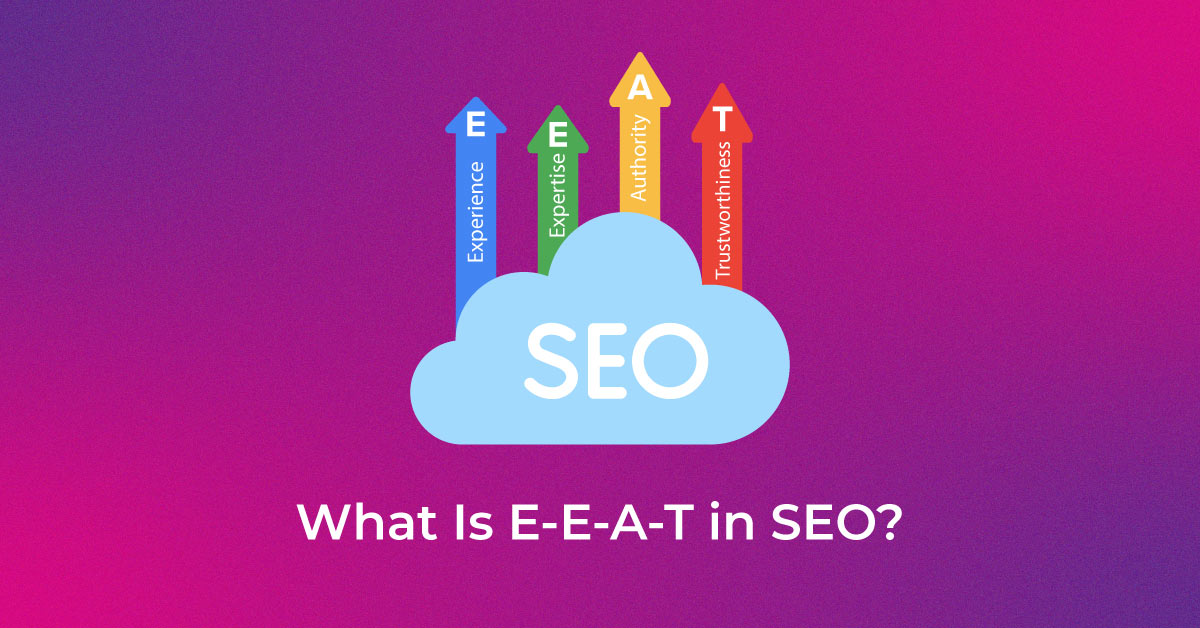
5. Strengthen E-E-A-T Signals
AI systems still consider Experience, Expertise, Authority, and Trust.
You can boost these by:
- Using expert authors
- Citing credible sources
- Adding original insights
- Updating pages often
AI doesn’t want to include unreliable data in its answers, GEO helps prove your content is safe and trustworthy.
Benefits of Generative Engine Optimization
1. Greater Visibility in AI-Generated Search Results
Your content becomes part of the summaries users see first.
2. Instantly Builds Authority and Trust
Being included in AI answers signals that your information is credible.
3. Helps You Win in a Zero-Click World
Even without a click, your brand stays front and center.
4. Supports Long-Term SEO Health
GEO is aligned with where search is headed, not where it used to be.
5. Keeps You Relevant as SERPs Evolve
As organic links decrease, visibility shifts toward generative answers.
FAQs
1. How is GEO different from traditional SEO?
SEO aims to improve page rankings; GEO focuses on appearing inside AI-generated responses and summaries.
2. Why is GEO important now?
Because search is shifting to AI-first results, and brands must optimize for these new answer formats.
3. Does GEO replace SEO?
No—GEO enhances SEO. Both work together to help brands stay visible in traditional and AI-driven search.
4. Does GEO improve visibility in AI Overviews?
Yes. AI Overviews tend to prefer content that follows GEO principles.