














In the ever-evolving digital world, blogs have become indispensable tools for communication, marketing, and personal expression. From humble beginnings as online diaries, blogs have transformed into powerful platforms for individuals, businesses, and organizations to share ideas, build audiences, and drive growth. But what is a blog exactly, and how has it evolved to become a vital aspect of content marketing and personal branding? Let’s break it down.
What is a Blog?
A blog is a type of website or online platform where content is regularly updated in the form of written posts. These posts, typically displayed in reverse chronological order, are centered around specific topics or interests. What is a blog post? It’s an individual entry that covers a topic, provides valuable insights, or shares stories in a way that invites reader engagement.
At its core, a blog serves as a space for sharing knowledge, expertise, opinions, and personal experiences. It can be a standalone platform or integrated into an existing website to enhance content strategy. Blogs are dynamic and can be regularly updated with new information, ensuring they remain fresh, relevant, and aligned with audience interests.
Why Are Blogs Important for SEO?
One of the main reasons blogs are important for SEO is their ability to drive organic traffic to a website. Consistently updated content signals to search engines that your site is active, relevant, and authoritative. By targeting specific keywords, adding internal and external links, and following SEO best practices, blogs can significantly improve your website’s visibility on search engine results pages (SERPs).
Blogs help businesses rank higher on Google and other search engines, making it easier for potential customers to find them. With regular updates and targeted content, blogs provide endless opportunities for SEO optimization, including using keyword-rich headlines, meta descriptions, and alt text. This creates a path for businesses to enhance their online presence, build authority, and attract more traffic.
The Role of Blogs in Building Brand Authority
Blogs are an excellent way to establish yourself or your business as an industry authority. Whether you’re sharing expert advice, valuable insights, or helpful tips, a blog allows you to demonstrate your knowledge and experience in your niche. By consistently producing high-quality content, you can cultivate trust and credibility among your audience.
This trust is built over time through transparency, authenticity, and a genuine effort to help your readers. When your content answers real questions and solves problems, your blog naturally becomes a go-to resource for anyone seeking information in your field. Over time, this builds your reputation and turns visitors into loyal followers, boosting brand recognition.
How to Write a Blog Post that Ranks?
A well-optimized blog post doesn’t just provide information—it engages readers and encourages them to take action. Here’s how to structure your blog posts effectively:
- Compelling Title: Your title is the first thing readers see, so make it clear, engaging, and SEO-friendly. Use relevant keywords that reflect the content of the post.
- Introduction: The introduction should capture attention immediately. Begin with a hook, such as a surprising fact or an intriguing question, then introduce the topic and set clear expectations for what readers will gain from the post.
- Engaging Body: The body is where you deliver value. Break up the content with subheadings, bullet points, and lists to improve readability. Keep paragraphs short and to the point. Incorporate visuals, case studies, and examples to reinforce your message.
- Call to Action (CTA): End your post with a strong CTA. Whether it’s asking readers to subscribe to your newsletter, check out related content, or leave a comment, your CTA should guide the reader toward taking the next step.
- SEO Optimization: To rank well, your blog post needs to be optimized for search engines. Use relevant keywords throughout your post, ensure mobile compatibility, and include alt text for images. Also, use internal and external links to improve your content’s authority. For businesses looking to strengthen their overall search performance, SEO services can help implement and scale these best practices effectively.
The Importance of Consistent Blogging
Consistency is key to blogging success. Why is consistency important in blogging? Regular updates not only keep your audience engaged but also signal to search engines that your website is active and authoritative. By publishing content on a regular basis, you keep your blog relevant, maintain your audience’s interest, and improve your chances of ranking higher on SERPs.
Setting a consistent posting schedule—whether weekly, bi-weekly, or monthly—helps build a loyal readership and increases your chances of appearing in search engine results. With a consistent approach, you can also better target keywords and topics that align with your audience’s interests.
The Structure of a Blog Post
To make your blog posts both reader-friendly and SEO-friendly, follow this simple structure:
- Title – A clear, concise title that includes your primary keyword.
- Introduction – A compelling intro that hooks the reader and sets the stage for the post.
- Body – The main content of the blog, broken into well-structured sections with subheadings, bulleted lists, and supporting visuals.
- Conclusion – A wrap-up that reinforces the key points and leaves the reader with a clear takeaway.
- Call to Action (CTA) – Encourage the reader to take further action, whether it’s subscribing to your blog, reading more articles, or purchasing a product.
Types of Blogs: What Works Best for You?
Once you understand what is a blog, it’s important to know the different types of blogs you can create. Here are some common types:
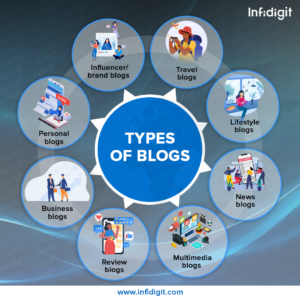
- Personal Blogs – Focus on sharing personal experiences and opinions. They allow for more freedom of expression and informal tone.
- Business Blogs – Created by companies to communicate with customers, promote services, and build brand authority.
- Review Blogs – These blogs provide detailed reviews of products, services, or experiences, helping consumers make informed decisions.
- Multimedia Blogs – Primarily focused on multimedia content such as videos, podcasts, and images, along with accompanying text.
- News Blogs – Cover current events and trends, providing objective updates in specific industries or on general topics.
- Lifestyle Blogs – Offer content related to health, fitness, fashion, travel, and other lifestyle topics.
- Travel Blogs – Share travel experiences, tips, and recommendations, offering valuable insights to travelers.
Why Blogs Are Important for Business and SEO
Why blogs are important for SEO? Blogs are a vital component of any SEO strategy. Regularly updated blogs help attract organic traffic by answering questions, providing solutions, and optimizing for specific keywords. Well-crafted blog posts help increase the time visitors spend on your site, improving your bounce rate and encouraging users to engage with more content. Blogs also enhance your website’s internal linking structure, making it easier for search engines to crawl and index your content.
For businesses, blogging is an effective way to engage with potential customers, build trust, and provide information that encourages them to take action. From improving search engine rankings to generating leads and increasing conversions, blogs are essential for driving business growth.
Conclusion: Embrace the Power of Blogging
In conclusion, what is a blog can be defined as a powerful digital tool that allows businesses, individuals, and organizations to connect with their audiences and provide valuable content. Whether you’re looking to boost your SEO, establish your brand’s authority, or simply share your passion, blogging is an essential strategy for success in the digital age.
With the right approach, consistent effort, and optimization for SEO, blogging can help you reach your target audience, increase traffic, and achieve your business goals. So, embrace the power of blogging and start creating valuable, engaging content that resonates with your audience today!
FAQs About Blogging
1. How do blogs help with SEO?
Blogs help with SEO by providing regularly updated content that targets specific keywords, improves website authority, and increases visibility on search engines.
2. Why should I start a blog?
Starting a blog can help establish your brand, connect with your audience, improve SEO rankings, and drive traffic to your website.
3. Can I monetize my blog?
Yes, you can monetize your blog through ads, affiliate marketing, sponsored content, or selling products/services directly through your blog.
4. How often should I post on my blog?
Consistency is key. Posting regularly, whether weekly or monthly, ensures your blog stays relevant and helps maintain engagement with your audience.








3 thoughts on “What is a Blog and Why Blogs are Important”
Thanks for the information. That was quite an insight for a beginner.
Thanks for the great information.
Thanks. Read our latest posts for more updates.