










Search is changing faster than ever. People don’t want to scroll through 10 links anymore, they want quick, reliable answers right on the search page. With Google’s AI Overviews, voice assistants, and chat-style search becoming mainstream, businesses need a new approach to stay visible.
That’s where Answer Engine Optimization (AEO) comes in.
If you’re new to AEO and want a simple explanation, this guide breaks it down in an easy, conversational way.
What Is Answer Engine Optimization (AEO)?
Answer Engine Optimization (AEO) is the practice of creating content in a way that helps search engines and AI tools extract direct, accurate answers from your page.
Traditional SEO focuses on getting your page to rank.
AEO focuses on making your website’s content the answer.
So, what does AEO mean in SEO terms?
Think of it as the next phase of SEO — where the goal isn’t just ranking on page 1, but becoming the source that Google, Bing, Siri, Alexa, and AI chatbots rely on.
AEO helps your content appear in:
- AI Overviews
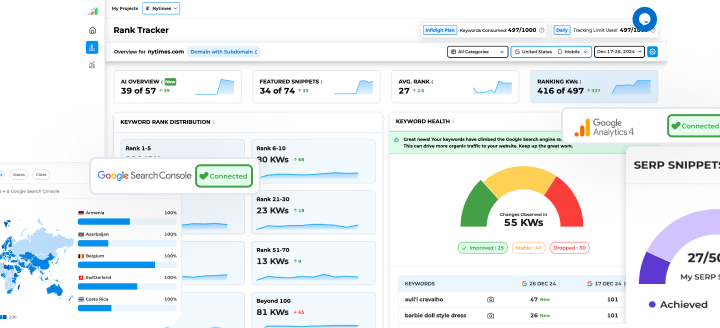
- Featured Snippets
- People Also Ask
- Voice search responses
- Chat-based answers
- Knowledge panels
If your content is structured cleanly and answers questions directly, search engines can surface it instantly.
Why AEO Matters Right Now
More than 50% of searches don’t lead to a click — because users already get the answer on the SERP.
AI summaries and conversational tools are pushing this even further.
AEO matters because:
- Search engines are prioritizing solutions, not just webpages
- Voice search depends on clear, concise answers
- AI tools pick content that’s easy to understand
- Brands that adapt early gain a big visibility advantage
AEO isn’t a replacement for SEO — it’s an upgrade.
How Answer Engines Work (Explained Simply)
Answer engines follow a straightforward process:
- Crawl your content
- Understand what question you’re answering
- Pull the clearest, most relevant answer
If your content gives them a clean, simple answer, they’re much more likely to use it.
How to Optimize for AEO (Beginner-Friendly Steps)
1. Start With a Direct Answer
Before adding details, give the shortest possible answer to the question.
Example:
What is AEO?
“AEO is the practice of optimising content so search engines and AI tools can get direct answers.”
One clear sentence goes a long way.
2. Use Question-Based Headings
Questions often match real search queries, such as:
- What is AEO?
- How does AEO work?
- Why is AEO important?
This increases your chances of appearing in Featured Snippets and PAA results.
3. Add an FAQ Section
FAQs naturally align with answer-engine behavior.
They’re concise, predictable, and represent actual user intent.
Bonus: Add FAQ schema to strengthen visibility.
4. Use Schema Markup
Structured data tells search engines what your page contains.
It doesn’t guarantee a snippet, but improves eligibility.
Useful schema types:
- FAQ
- How-To
- Article
- Organization
5. Improve Readability
Answer engines love clean, simple formatting.
Focus on:
- Short paragraphs
- Bullets
- Direct sentences
- Scannable sections
If humans can read it quickly, machines can too.
6. Cover Related Subtopics
Users searching for “What is AEO?” might also want to know:
- Benefits of AEO
- How answer engines work
- AEO vs SEO
- How to implement AEO
The more complete your page is, the more likely it becomes a trusted answer source.
Benefits of Answer Engine Optimization (AEO)
1. Better Visibility in Zero-Click Searches
Even if users don’t visit your website, your brand becomes the trusted answer — increasing awareness.
2. Higher Chances of Featured Snippets & AI Results
Clear, structured content is more likely to appear in Google’s AI Overviews and snippet boxes.
3. Stronger Voice Search Presence
Voice assistants rely heavily on short, accurate answers.
4. More Authority & Trust
If your brand is repeatedly chosen as “the answer,” your perceived expertise rises.
5. More Qualified Traffic
People asking specific questions have stronger intent.
AEO positions your site to capture them.
Who Should Use AEO?
AEO is helpful for almost everyone, especially:
- Blog and news sites
- eCommerce brands (product FAQs, buying guides)
- SaaS and tech companies
- Local businesses
- Educational and tutorial websites
If your audience asks questions, AEO can help you show up.
FAQs
1. How is AEO different from traditional SEO?
SEO aims to rank pages; AEO aims to make your content the direct answer in SERP features and AI tools.
2. Does AEO improve visibility in AI Overviews?
Yes. Pages with clean, factual, well-structured content are more likely to be included in AI summaries.
3. Do I need schema markup for AEO?
It’s not mandatory, but it greatly improves your snippet eligibility.