












If you’ve worked in SEO for even a few months, you’ve heard this debate:
“Focus on on-page.”
“No, backlinks matter more.”
The truth? Both matter. But they do very different jobs.
Over the years, I’ve seen websites fail because they chased backlinks without fixing their content. I’ve also seen beautifully written websites that never ranked because nobody trusted them yet.
So let’s break this down properly. No jargon. Just clear understanding.
What Is On-Page SEO?
On-page SEO is everything you control on your website.
It’s how your page is written, structured, linked, and presented. It’s the foundation. If this part is weak, nothing else holds up for long.
Think of on-page SEO as preparing your house before inviting guests. You clean it. You arrange things. You make sure people feel comfortable.
Google works the same way. It wants pages that are clear, useful, and easy to understand.
The Core Elements of On-Page SEO
Let’s go step by step.
1. Content That Actually Answers the Query
This is where most people go wrong.
They write long articles but don’t answer the real question.
If someone searches “on-page vs off-page SEO,” they want:
- The difference
- Why each matters
- When to focus on what
- Practical examples
Not theory. Not motivational lines. Not filler.
Good on-page content:
- Stays focused on the topic
- Uses clear headings
- Avoids repeating the same idea five times
- Solves the reader’s problem
Search engines are smarter now. They understand meaning. But they still rely heavily on clarity.
If your content is confusing, rankings won’t last.
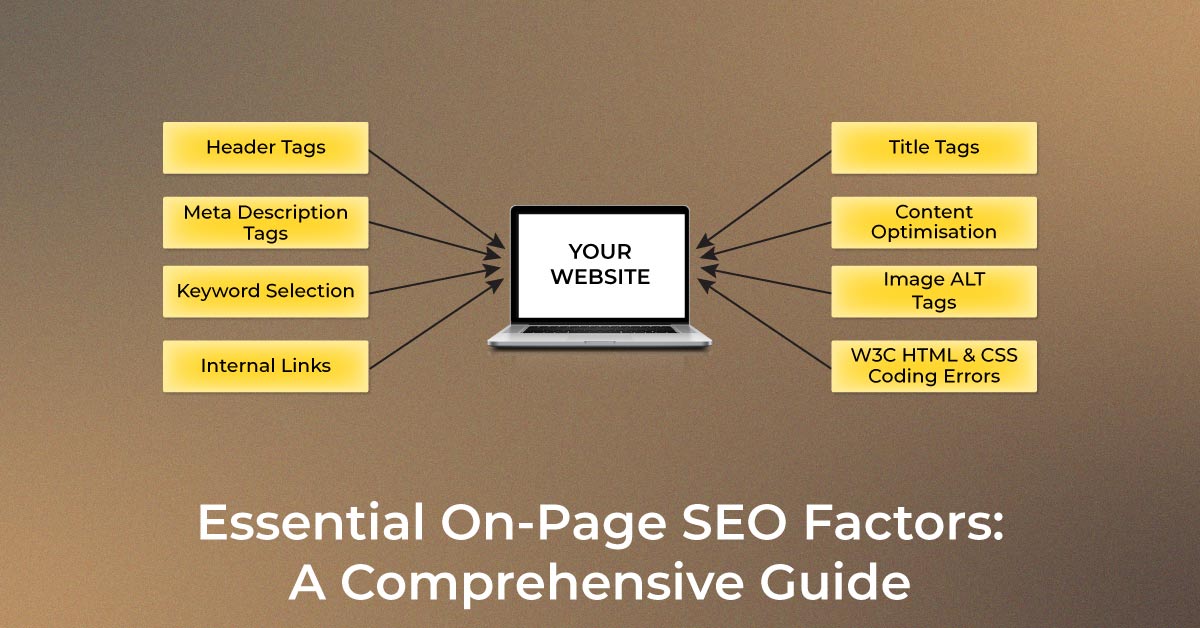
2. Title Tags and Meta Descriptions
Your title is your first impression in search results.
It should:
- Include the main keyword naturally
- Be clear
- Sound human
For example:
Bad title:
“Complete Guide To On Page SEO And Off Page SEO Strategies For Ranking”
Better title:
“On-Page SEO vs Off-Page SEO: What’s the Difference?”
Simple. Direct. Clear.
Meta descriptions don’t directly impact rankings, but they affect clicks. And clicks matter.
3. Header Structure (H1, H2, H3)
Headers guide both readers and search engines.
H1 = main topic
H2 = main sections
H3 = supporting points
If everything looks like one big paragraph, people leave. And when people leave quickly, rankings drop.
Good structure improves:
- Readability
- Time on page
- Engagement
- SEO signals
4. Internal Linking
Internal links connect your pages together.
They:
- Help Google crawl your site
- Pass authority between pages
- Keep users engaged
But they must be natural. Not forced.
If every sentence has a link, it looks desperate.
5. Technical Factors That Support On-Page SEO
These are not glamorous, but they matter:
- Page speed
- Mobile friendliness
- Clean URLs
- Proper image alt text
- No duplicate content
You can have amazing content. But if your site loads in 8 seconds, users won’t wait.
What Is Off-Page SEO?
Off-page SEO is everything that happens outside your website that builds trust.
If on-page SEO is your house, off-page SEO is your reputation in the neighborhood.
Google doesn’t just look at your content. It asks:
- Who is talking about this website?
- Who is linking to it?
- Is it trusted?
That’s where off-page SEO comes in.
The Core Elements of Off-Page SEO
1. Backlinks
Backlinks are still one of the strongest ranking signals.
But here’s what 20 years of experience teaches you:
One strong link from a respected website is better than 50 weak links.
Quality > Quantity.
Spammy backlinks can hurt more than help. I’ve seen websites lose rankings because they chased cheap links.
2. Brand Mentions
Sometimes your brand is mentioned without a link.
Google still notices this.
If many websites talk about you, it signals authority.
Brand strength is becoming more important every year.
3. Social Signals
Social media shares don’t directly boost rankings in a simple way.
But they:
- Increase visibility
- Bring traffic
- Lead to backlinks
Visibility often leads to authority.
4. Guest Posting and PR
Writing for other websites or getting featured in news portals helps you:
- Build backlinks
- Reach new audiences
- Build brand trust
But again, relevance matters. A random blog link means little. A relevant industry site link means a lot.
On-Page SEO vs Off-Page SEO: The Real Difference
Let’s make this very simple.
| On-Page SEO | Off-Page SEO |
| Happens on your website | Happens outside your website |
| Focuses on content and structure | Focuses on authority and trust |
| You have full control | You influence but don’t control |
| Impacts relevance | Impacts credibility |
Relevance + Credibility = Rankings
You need both.
Which One Should You Focus On First?
Always start with on-page SEO.
Here’s why:
If your page is weak, even strong backlinks won’t help for long.
Google might rank you temporarily. But if users don’t find value, rankings drop.
Once your:
- Content is solid
- Structure is clear
- Technical basics are fixed
Then focus on building authority through off-page SEO.
Common Mistakes I See in Real Projects
After working with many websites, these patterns repeat:
Mistake 1: Chasing Backlinks Too Early
People try to build links to pages that are poorly written.
That’s like advertising a shop with empty shelves.
Mistake 2: Ignoring Internal Structure
They publish content but don’t connect pages properly.
Google then struggles to understand which page is important.
Mistake 3: Over-Optimizing Content
Stuffing keywords unnaturally.
Search engines can detect this easily now. It harms trust.
Mistake 4: Buying Low-Quality Links
Cheap SEO shortcuts usually lead to long-term damage.
Recovery takes months.
How On-Page and Off-Page SEO Work Together
Imagine two websites:
Website A:
- Excellent content
- Clean structure
- No backlinks
Website B:
- Average content
- Strong backlinks
Initially, Website B may rank higher.
But over time, Website A will win if it starts building authority — because the foundation is strong.
The strongest websites combine:
- Clear, helpful content
- Smart internal linking
- Clean technical setup
- High-quality backlinks
- Strong brand presence
That’s sustainable SEO.
A Practical Approach for Businesses
If you’re managing SEO for a business, follow this order:
Step 1: Audit Your Website
Check:
- Thin content
- Duplicate pages
- Slow pages
- Broken links
Fix these first.
Step 2: Improve Key Pages
Focus on:
- Service pages
- High-intent blog pages
- Pages already ranking on page 2
Upgrade them properly.
Step 3: Build Authority Gradually
- Guest posts
- Industry mentions
- Digital PR
- Strong partnerships
Don’t rush it. Authority grows over time.
Final Thoughts
On-page SEO makes your website clear and useful.
Off-page SEO makes your website trusted.
One builds relevance.
The other builds credibility.
Without relevance, you don’t deserve to rank.
Without credibility, Google won’t trust you enough to rank.
When both are aligned, growth becomes steady.
And that’s the real goal — not quick spikes, but long-term rankings that don’t disappear after one update.