













The internet is a vast network of interconnected websites, where hyperlinks guide users to valuable resources and information. External links, or links that point to pages on other websites, play a key role in enhancing the credibility of your content. What are external links? They are references from your site to authoritative sources, signaling to search engines that your content is part of a trusted network. By using external links effectively, you can boost your site’s SEO, provide additional value to users, and improve your site’s reputation across the web.
What are External Links?
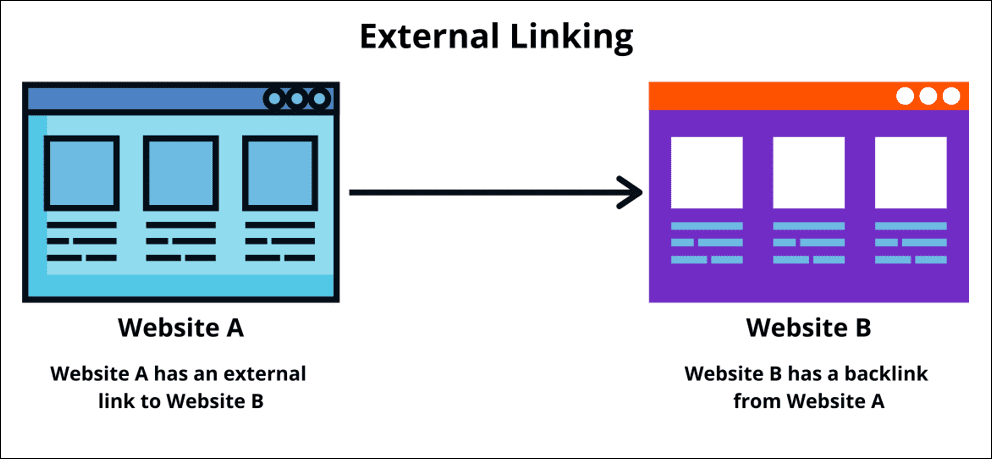
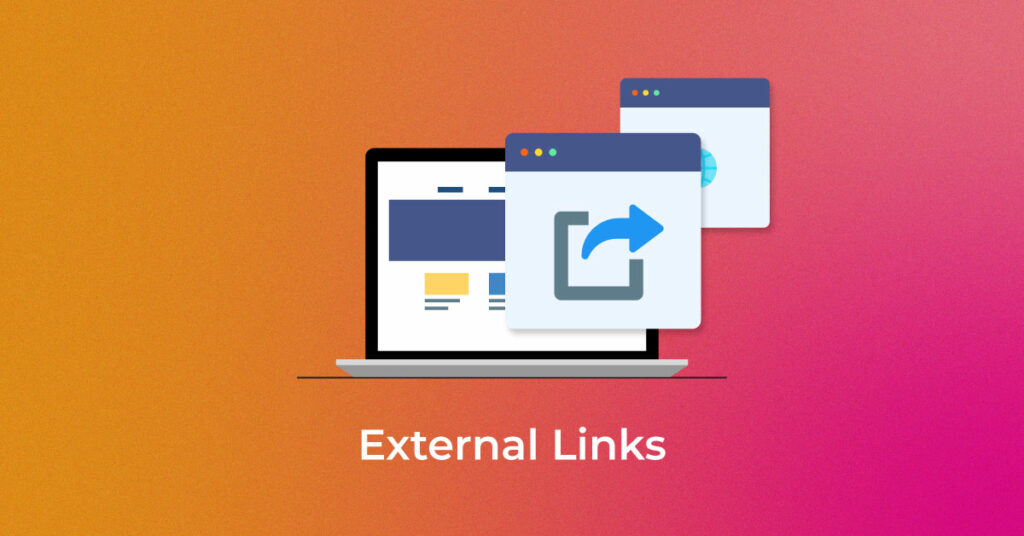
If you’re wondering what is an external link, it refers to a hyperlink that points from your website to a different, external website. In SEO, external links are important because they help establish the credibility of your content by associating it with authoritative sources. When you add an external link in SEO, you signal to search engines that your content is connected to reliable and relevant information, which can improve your search rankings and visibility.
An external link can appear in many places on a webpage, including blog posts, product descriptions, or footnotes. These links direct users to other domains, offering additional information or resources that complement the original content. For example, if you’re reading an article about digital marketing and click on a link that takes you to a detailed SEO report on another website, that is an external link. By incorporating external links in SEO, you increase your site’s value, enhance user experience, and build stronger connections across the web.
Why External Links Matter for SEO and User Experience
External links in SEO play a significant role in both SEO and user experience. Here’s why they matter:
- Boost SEO and Improve Rankings: Linking to authoritative websites signals to search engines that your content is part of a trusted network. By referencing high-quality sites, you improve your site’s SEO and increase its chances of ranking higher in search results.
- Build Credibility and Authority: When you link to respected websites, you associate your content with reliable sources. This builds your site’s authority and increases its trustworthiness, both for users and search engines.
- Enhance User Experience: External links offer additional resources for users, improving their experience by providing more in-depth information on the topic. This can make your content more engaging and useful, encouraging visitors to stay longer on your site.
- Create Opportunities for Backlinks and Traffic: When authoritative sites see that you are linking to them, they might link back to your site, driving more organic traffic and boosting visibility.
- Foster Industry Relationships: Linking to other authoritative websites can help build relationships within your industry, leading to potential collaborations or networking opportunities.
In short, external links in SEO not only improve SEO but also enhance the overall user experience by offering value and fostering engagement.
The Role of External Links in Building Authority
External links are essential for establishing your website’s authority in your industry. When you link to reputable, high-quality websites, you signal to search engines that your content is well-researched and trustworthy. This is critical for improving your SEO rankings and boosting your site’s credibility.
By consistently linking to trusted sources, you build a network of valuable relationships, increasing your site’s reputation. Over time, external links in SEO help your site rank higher, build brand credibility, and foster trust with your audience.
What are the Types of External Links?
There are two primary types of external links that have an impact on SEO:
-
Do-follow links
These are the default type of external link, and they pass on SEO value (also known as “link juice”) to the linked website. When search engines encounter a do-follow link, they follow the link and consider it a positive signal to the linked site. Do-follow links help improve the rankings of the linked page.
Example of a do-follow link:
<a href=”https://www.example.com”>Check out this resource!</a>
-
No-follow links
These links tell search engines not to pass SEO value to the linked website. Typically used for paid links, user-generated content, or links to untrusted sites, no-follow links do not impact rankings but can still drive traffic.
Example of a no-follow link:
<a href=”https://www.example.com” rel=”nofollow”>Check out this website!</a>
Both types of links have their uses, and knowing when to use each can enhance your SEO strategy.
What is an external linking strategy?
An external linking strategy is a comprehensive process that focuses on building external links or backlinks to improve various metrics for your website, such as domain authority, reachability, and rankings on search engine results pages (SERPs). It adheres to the best off-page SEO practices, which play a crucial role in improving your site’s online visibility. A well-thought-out strategy might include activities like backlink building, ensuring that you are connecting to authoritative, relevant websites.
By strategically placing external links in SEO, you not only enhance your website’s SEO performance but also help search engines understand your content better. External linking helps users find valuable resources and aids in boosting your site’s credibility.
Internal vs. External Links: What’s the Difference?
Understanding the distinction between internal links and external links is essential for optimizing both SEO and user experience.
Internal Links: These point to other pages within the same website or domain. They help guide users through your site, enhancing engagement and keeping visitors longer. For search engines, internal links make it easier to crawl and index your pages, ensuring that SEO value is distributed across your website. By guiding users to related content, internal links improve site performance and strengthen SEO.
External Links: These direct users to other websites or domains. External links in SEO are particularly valuable for referencing trusted sources or providing additional relevant resources. Linking to authoritative sites can enhance your content’s credibility and may improve your rankings, especially if these authoritative sites link back to your page. Though external links can take users away from your site, they provide valuable information, support user experience, and help establish your authority in the digital space.
In summary, while internal links help with site navigation and SEO within your website, external links improve your website’s credibility, SEO, and offer additional value by connecting users to trusted, external content.
Best Practices for Using External Links
To maximize the SEO benefits of external links, follow these best practices:
-
Use Descriptive Anchor Text for Clarity
Always choose descriptive and relevant anchor text when creating external links. Avoid generic terms like “click here.” Instead, use text that explains the linked content, such as “SEO best practices.” This helps both users and search engines understand the link’s purpose.
-
Avoid Link Schemes and Spammy Practices
Stay away from link schemes, such as buying links or using manipulative tactics. These practices can lead to penalties from search engines. Focus on linking naturally to valuable, authoritative websites that offer genuine value to your content.
-
Ensure Link Relevance to Your Content
Always link to websites that are relevant to your content. Irrelevant external links can confuse users and diminish trust. Make sure your external links in SEO enhance your content and add real value to your readers.
-
Regularly Audit Your External Links
Regularly check your external links to ensure they are not broken or outdated. Using tools like Google Search Console, you can identify and fix issues, keeping your content reliable and SEO-friendly.
-
Use “NoFollow” for Untrusted Links
If you link to low-quality or untrusted websites, it’s best to use the rel=”nofollow” attribute. This ensures that search engines don’t pass on SEO value to the linked website, helping to maintain your site’s credibility. This is especially important for user-generated content or paid advertisements.
How Search Engines Evaluate External Links
Search engines evaluate external links based on several factors to determine their impact on SEO:
- Relevance: Links that are contextually relevant to your content are more valuable.
- Authority: Links from reputable, authoritative websites carry more weight in SEO.
- Anchor Text: Descriptive, keyword-rich anchor text provides better context.
- Quality Over Quantity: A few high-quality links are more beneficial than many low-quality ones.
- DoFollow vs. NoFollow: Do-follow links pass SEO value, while no-follow links do not directly impact rankings but can still drive traffic.
By understanding how search engines evaluate external links in SEO, you can make informed decisions that positively impact your website’s rankings.
Frequently Asked Questions About External Links
Can External Links Harm Your Website’s SEO?
External links generally don’t harm your SEO as long as they are used correctly. Linking to high-quality, relevant, and authoritative sites can enhance your content’s credibility and improve your rankings. However, if you link to low-quality, spammy, or untrusted websites, it can negatively impact your site’s reputation and SEO. It’s important to audit your external links regularly and use the no-follow attribute for untrusted links to prevent any SEO penalties.
How Do External Links Differ from Internal Links?
External links point to pages on other websites, while internal links connect different pages within your own site. External links help build your site’s authority by referencing high-quality sources, while internal links help with site navigation, improve user experience, and distribute SEO value across your website. Both types of links are crucial for a well-optimized site but serve different purposes in SEO and user engagement.
Should You Always Follow External Links?
You shouldn’t always follow external links. For trusted, high-quality, and authoritative sources, do-follow links help pass SEO value, improving the linked page’s ranking. However, for untrusted, paid, or irrelevant links, it’s best to use the no-follow attribute to prevent passing SEO value to low-quality sites. This ensures that your SEO efforts aren’t negatively impacted while still providing valuable resources to your users.
What is an example of an external link?
An example of an external URL could be a link to a reputable news article or a research paper that provides additional context or evidence for the content on your page. For instance, linking to a study on www.researchsite.com from your health blog would be an external link.
Conclusion: Making the Most of External Links for SEO and User Engagement
External links are a small yet significant factor in SEO and should be paid close attention. The community and rank-building activities related to external links should not be ignored whether you are creating a new website or already have an established one. External links are one of the toughest metrics to manipulate. Thus, it is one of the best ways for a search engine to determine your website’s reputation and boost your rankings.





6 thoughts on “External Links: External Linking Best Practices for SEO”
great article sir and also in easy language which helps to understand better.
Thanks. Check out our latest posts for more updates.
Yes, external link is very important to rank websites and blogs. Very useful article thanks for sharing.
Thanks. Read our latest posts for more updates.
That’s really nice post. I appreciate your skills. Thanks for sharing.
Thanks, Subscribe to us for more latest updates